
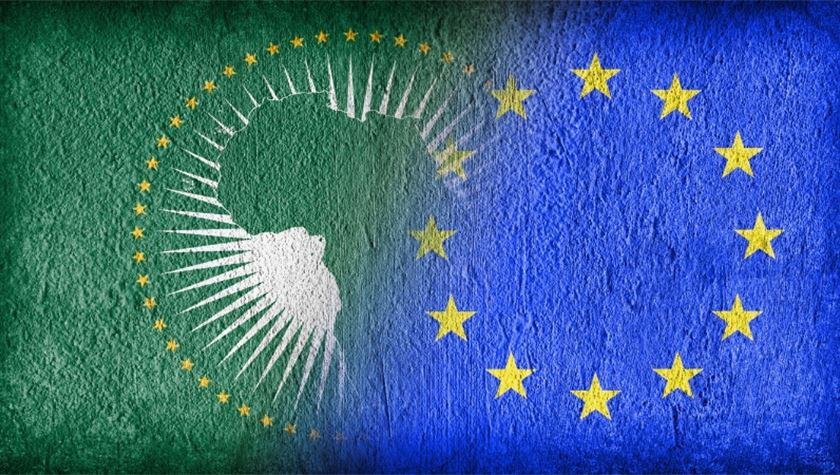
A Strategic Move Under the Global Gateway Plan
The initiative falls under Global Gateway, Europe’s flagship development and infrastructure strategy. Though rooted in humanitarian and environmental goals, it carries an unmistakable geopolitical intent: to present a credible alternative to China’s Belt and Road Initiative, whose influence spans much of the African continent.
China has long poured billions into African infrastructure—ports, roads, power grids, and telecom networks—securing deep commercial and political ties. In the renewable energy sector, it dominates exports of solar panels and equipment, embedding itself firmly in Africa’s clean-energy supply chains.
Europe, by contrast, has moved more cautiously, bound by stricter governance, financial, and regulatory frameworks. Still, Brussels views this investment as a way to reassert European influence while promoting transparency, sustainability, and equitable development.
Competing Interests, Shared Goals
Africa’s rich reserves of critical minerals—including cobalt, lithium, copper, and manganese—make the continent indispensable to the global green transition. These materials are vital for manufacturing electric vehicle batteries, solar panels, and energy storage systems.
One of Europe’s cornerstone efforts is the Lobito Corridor, a railway linking Zambia’s copper belt and the Democratic Republic of Congo’s cobalt mines to the Atlantic port of Lobito in Angola. The route is meant to enhance the flow of raw materials essential for the energy transition, offering an alternative to trade routes dominated by China.
As Africa’s population surges—particularly in sub-Saharan nations projected to grow by nearly 79 percent in the coming decades—the energy choices made today will help shape both Africa’s development path and the global climate outlook.
An Opening for Cooperation
The European Union’s renewed engagement represents more than an aid commitment; it’s an acknowledgment of Africa’s central role in the world’s clean-energy future. Expanding access to electricity, generating green jobs, and investing in sustainable infrastructure all serve Europe’s broader aims: stability, partnership, and shared prosperity.
While China’s influence remains formidable, Europe’s approach—emphasizing governance, transparency, and environmental responsibility—offers a distinct model of engagement. The success of that model may determine how Africa’s energy transformation unfolds in the years ahead.
