
A Shift Away From Debt
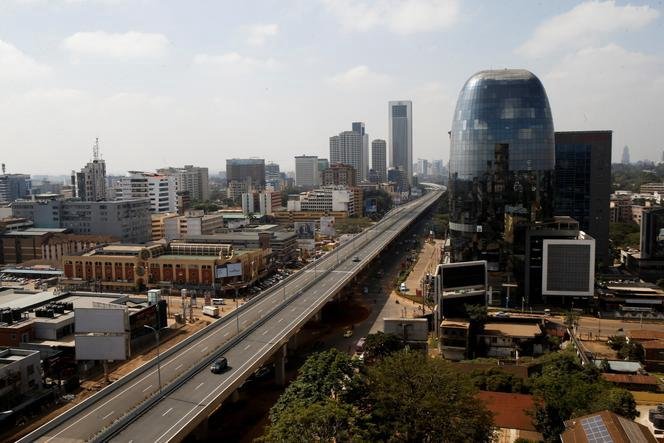
Across the continent, countries are facing tighter budgets and higher borrowing costs. Kenya’s model promotes PPPs as a way to leverage private capital while protecting governments from unsustainable debt loads.
Under such arrangements, private investors help finance and operate major projects in exchange for long-term returns. Officials say the approach encourages innovation, transparency, and efficiency, while delivering infrastructure faster and at lower public cost.
Connecting a Continent
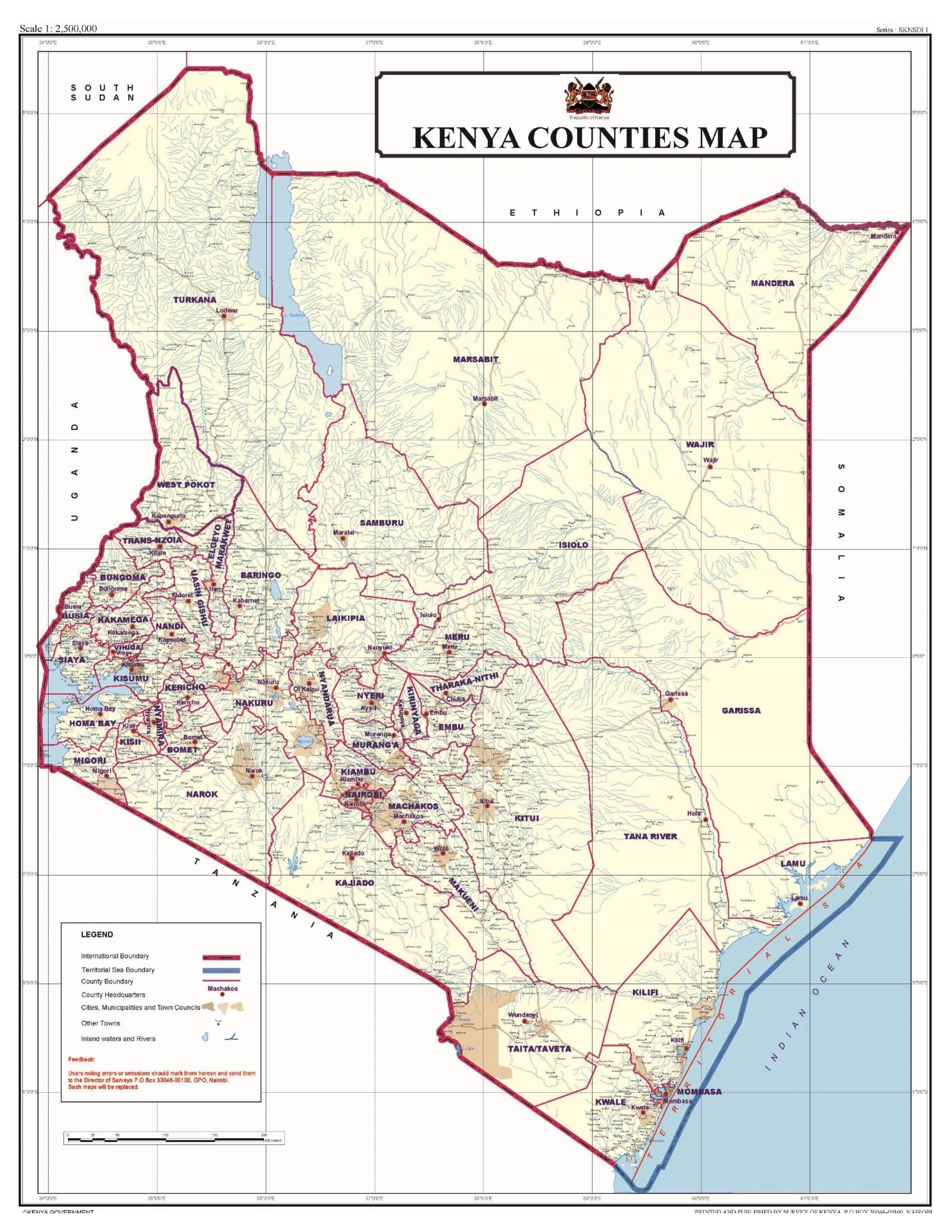
Kenya’s ambitions reach far beyond its borders. The government has made regional connectivity a central pillar of its strategy, with projects such as the Standard Gauge Railway, designed to link Kenya, Uganda, and eventually the Democratic Republic of Congo, at the heart of its plans.
Officials argue that such investments can deepen economic integration under the African Continental Free Trade Area, or AfCFTA, by opening trade routes and improving logistics.
Kenya has also backed the Pan-African Payment and Settlement System, a platform that allows real-time payments in local currencies. The system is intended to reduce reliance on the U.S. dollar and cut transaction costs for cross-border trade — a key step toward building a unified African market.
An Invitation to Investors
For Nairobi, the shift toward private-sector financing is not just about funding infrastructure — it’s about redefining the business environment.
Kenya has introduced regulatory reforms and fiscal incentives to attract investment and streamline project approvals. The government says it wants to create a predictable, transparent, and investor-friendly climate that encourages long-term partnerships.
By turning to private capital instead of debt, officials hope to set a model for innovation-driven, fiscally responsible growth across the region.
